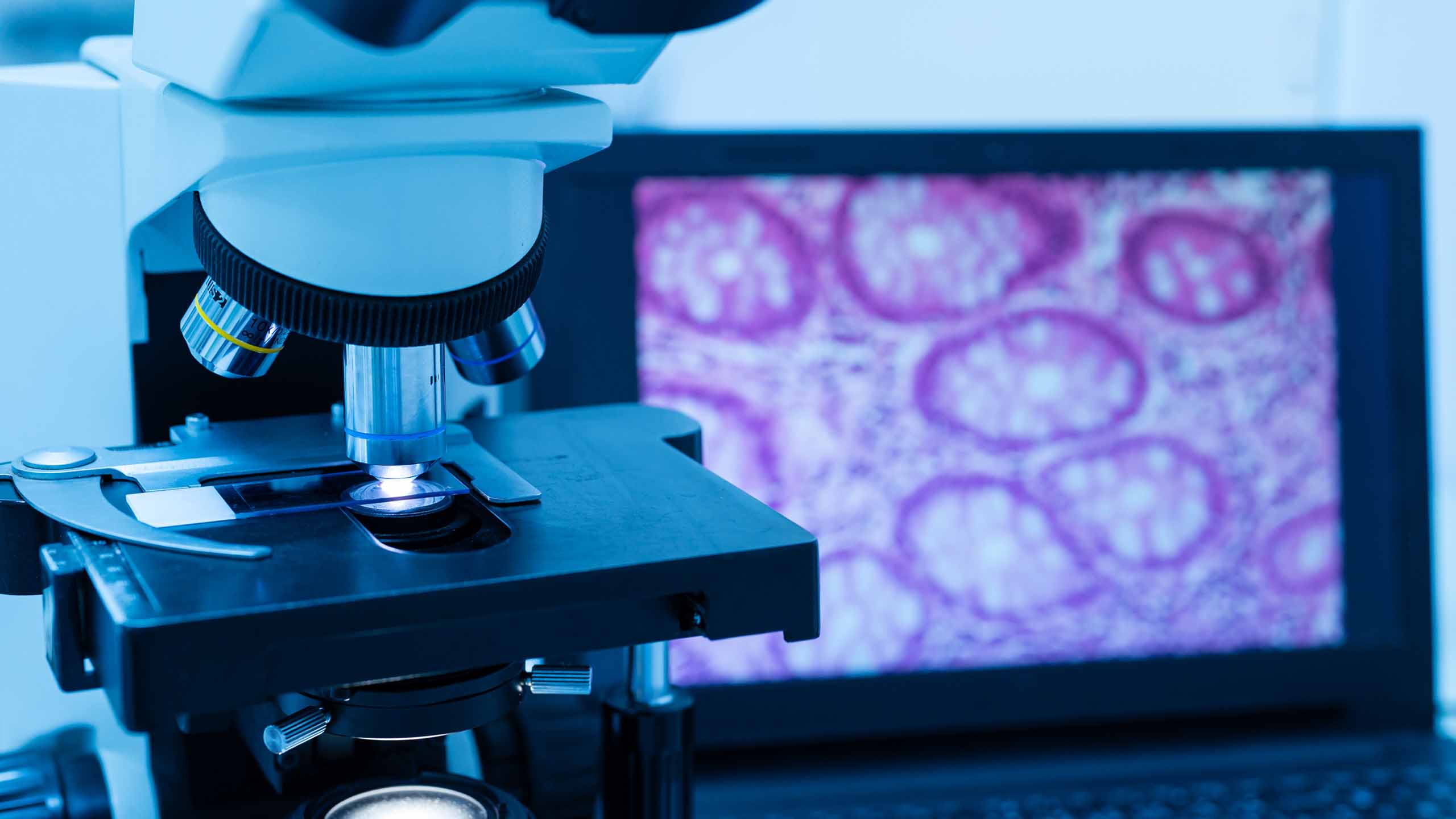
Cancer Diagnostics: The Pathologist’s Role in Early Detection
Pathologists at the Center of Cancer Diagnosis
With cancer being one of the most significant health challenges worldwide, early detection is critical in improving patient outcomes. When cancer is suspected, pathologists are involved at nearly every step of the diagnostic journey. The pathologist’s role is to determine whether cancer cells are present, the type of cancer it is, how aggressive it may be, and which treatments are most likely to be effective. Our pathologists work closely with surgeons, radiologists, oncologists, and each patient’s care team to provide precise diagnoses, advanced testing, and critical insights that guide personalized treatment plans.
Examining Tissue to Detect and Diagnose Cancer
Anatomic pathologists examine biopsies, surgical specimens, and cytology samples to identify cancer and detect precancerous changes before disease progresses. Their findings provide the foundation for diagnosis, staging, and treatment planning. In many cases, pathologists also perform specialized testing on tumor tissue to uncover important biological characteristics that routine microscopy alone cannot reveal.

Laboratory Testing That Supports Cancer Care
At the same time, clinical pathologists oversee the laboratory testing that supports cancer detection and patient management. They interpret blood and body fluid testing, evaluate tumor markers, and coordinate complex molecular and genetic analyses that help clinicians monitor disease and guide treatment decisions.
Molecular Diagnostics and Gene Profiling
One of the most significant advances in modern cancer care is molecular diagnostics and gene profiling. By analyzing a tumor’s genetic makeup, pathologists can identify specific mutations, biomarkers, or molecular signatures that drive cancer growth. These insights help physicians select targeted therapies that are more likely to benefit an individual patient while avoiding treatments that may be less effective.
Turning Diagnostic Insights Into Personalized Cancer Care
Through tissue analysis, laboratory medicine, molecular testing, and precision diagnostics, pathologists play a central role in translating complex laboratory data into actionable clinical information that ultimately improves patient outcomes.
Partner With HPL for Diagnostic Expertise
Hawaiʻi Pathologists’ Laboratory provides comprehensive pathology and diagnostic services to support physicians and healthcare organizations across Hawaiʻi. Contact our team to learn more about our services or discuss your pathology and diagnostic testing needs.